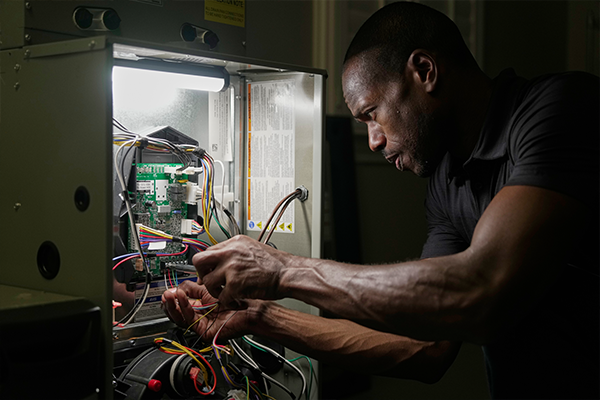
Smart Choices for Reliable Furnace Repair: A Homeowner’s Practical Guide
Early in the heating season, it pays to assess how your furnace starts, cycles, and sounds. Small irregularities—short cycling, uneven warmth, or unusual odors—signal issues that compound under steady demand. In practice, scoping problems before the first cold snap reduces stress and avoids after-hours calls. Document basic details like filter type, last service date, and thermostat settings so any technician has context when troubleshooting.
Meanwhile, establish a realistic repair-versus-replace framework. Age, efficiency, safety controls, and parts availability all influence the decision, as do recurring breakdowns. Often, a targeted repair extends useful life when heat exchangers and controls test within spec. However, if energy costs and comfort complaints pile up, a high-efficiency upgrade tied to Heating Installation and Repair planning can stabilize operating expenses over multiple seasons.
Beyond that, insist on a clear diagnostic workflow. A solid technician will verify airflow, inspect burners, validate ignition sequence, and measure temperature rise. They’ll also check gas pressure, flame characteristics, and safety interlocks. Then they’ll align findings with manufacturer tolerances and your home’s heating load. A concise, written summary helps you compare options and ensures the same symptoms aren’t re-evaluated from scratch next visit.
After the core diagnosis, think staged work. Start with safety-critical fixes—gas leaks, cracked heat exchangers, or failed limits—before tackling performance refinements. Next, address reliability items like worn igniters or weak inducer motors. Finally, refine comfort by calibrating the thermostat, sealing accessible duct leaks, and validating return air pathways. Sequencing tasks this way protects the household while steadily improving efficiency.
Similarly, weigh adjacent systems that affect furnace outcomes. Duct design, filtration, and Indoor Air Quality components influence airflow and heat transfer. If airflow is marginal, even a perfect burner setup won’t deliver stable temperatures. Consider right-sizing filters, cleaning coils in combined HVAC air handlers, and balancing registers. These low-disruption steps buffer the furnace against strain, reducing noise, drafts, and short cycling.
Next, plan for weather windows. Repairs that involve venting, roof penetrations, or exterior intakes benefit from dry conditions and daylight. In colder snaps, technicians may stage temporary fixes to maintain heat while awaiting parts. Validate timelines so expectations match lead times, especially for specialty components. When outdoor temperatures relax, technicians can return to finalize venting, insulation, and commissioning tasks without rushing.
Elsewhere in the home, ancillary services can stabilize the heating ecosystem. Electrical Services help verify dedicated circuits, grounding, and surge protection that preserve control boards. If you use a dual-fuel setup, Heat Pump Services should be tuned so changeover temperatures and staging logic are correct. For homes exploring future resilience, Generator Installation planning ensures critical heating circuits stay powered during outages.
Also, budget with lifecycle in mind. A modest investment in annual inspection can prevent cascading failures that cost more later. Maintain receipts and service notes; that history helps technicians isolate root causes rather than guessing. When contemplating upgrades, ask how Geothermal HVAC, Ductless AC for additions, or AC Installation and Repair intersects with furnace airflow and controls, avoiding conflicts between systems during extreme weather.
Then, build a simple owner checklist. Replace filters as specified, keep supply and return paths unobstructed, and listen for new sounds after any repair. Inspect condensate drains on high-efficiency models and verify that exterior terminations stay clear of snow or debris. Finally, set a reminder to test heat in early fall, giving you time to schedule non-urgent work before peak demand narrows appointment windows.
Ultimately, strong vendor fit matters. Ask about training, parts access, warranty handling, and how technicians document findings. Verify how emergency calls are triaged and what communication you can expect during multi-visit repairs. Choosing a provider that explains options plainly and aligns repairs with your comfort goals ensures the furnace runs safely, efficiently, and reliably through the full heating season.